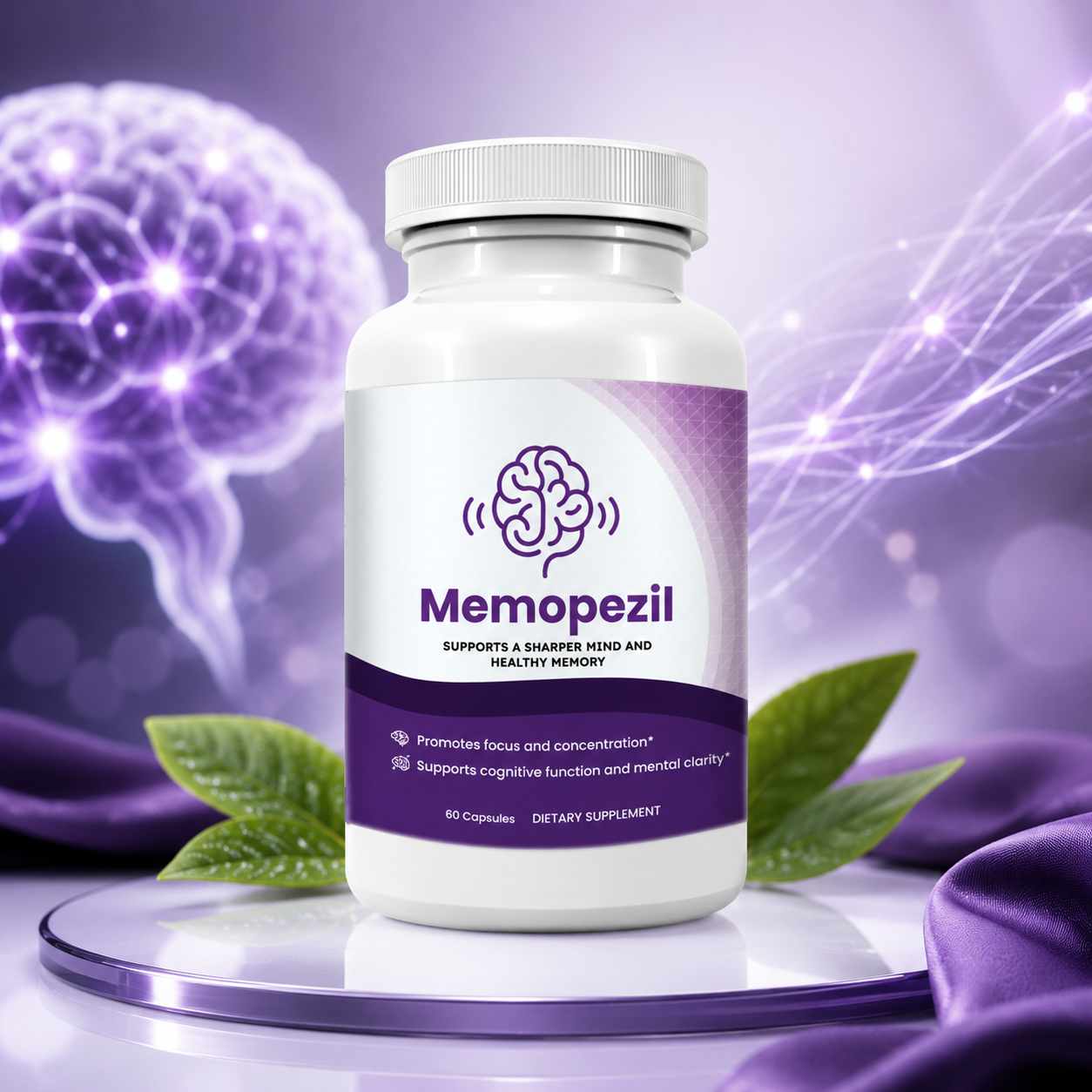

A Family Physician Who Recognized the Pattern in Herself Before Anyone Else Could See It — and Found the Five-Compound Formula That Reversed It Before It Progressed.
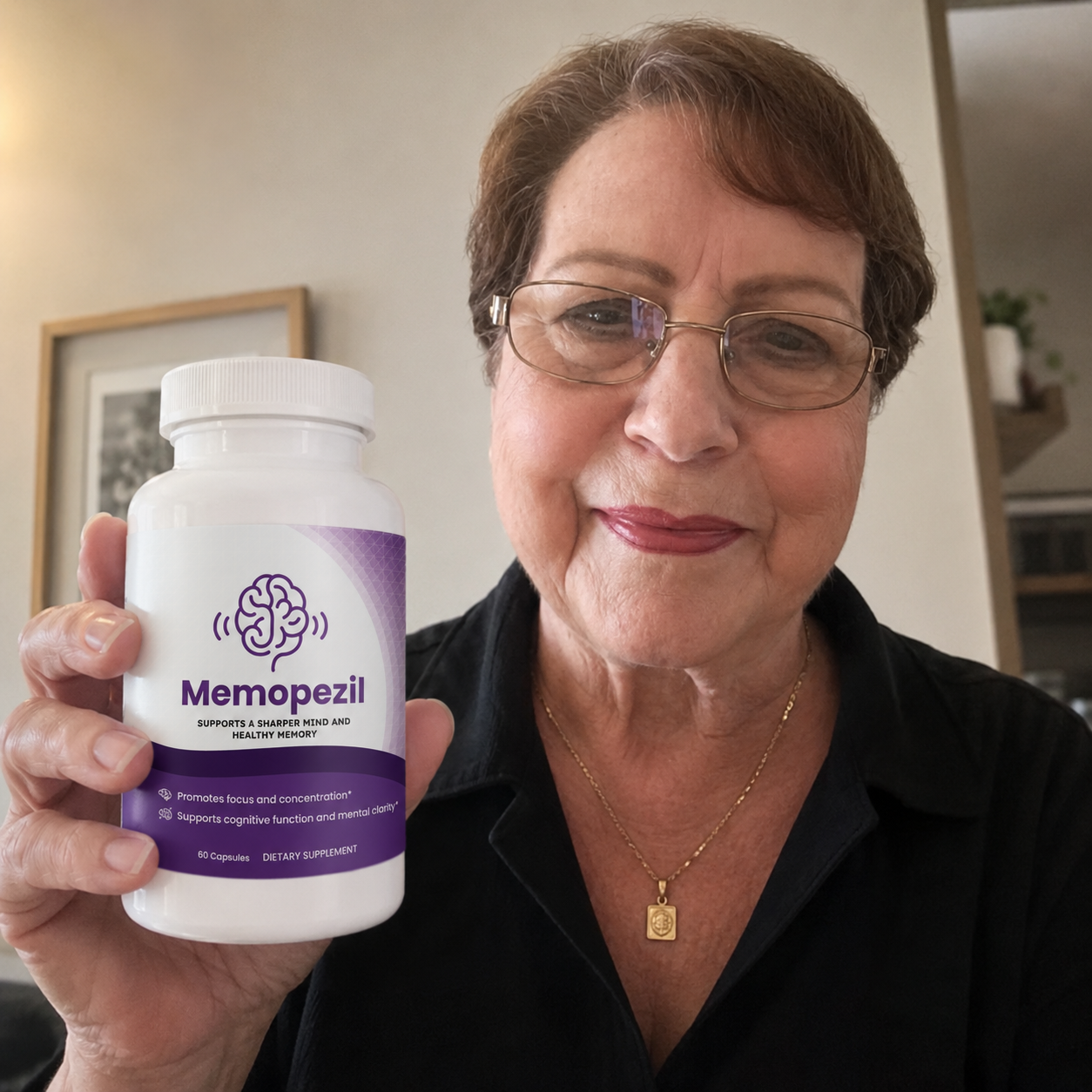
I'm 58 years old. I spent 31 years as a family physician in a busy practice — a career that demands the kind of continuous, precise cognitive performance that leaves no margin for decline. I memorize patient histories, medication interactions, diagnostic patterns, and the specific details of hundreds of individual lives simultaneously. Cognitive sharpness in my work isn't a professional advantage. It is the job, and the people who depend on it trust their wellbeing to it.
When the early signs appeared in my mid-fifties, I recognized them the way a physician recognizes a symptom pattern — clinically, before it was visible to anyone else. The patient name that required an extra half-second. The medication interaction that I double-checked when I normally wouldn't. The end-of-clinic cognitive fatigue that arrived earlier than it had a decade before. Nothing alarming. Nothing that anyone around me would have described as a problem. But I knew what the pattern meant, because I had watched it progress in my father over fifteen years before his diagnosis.
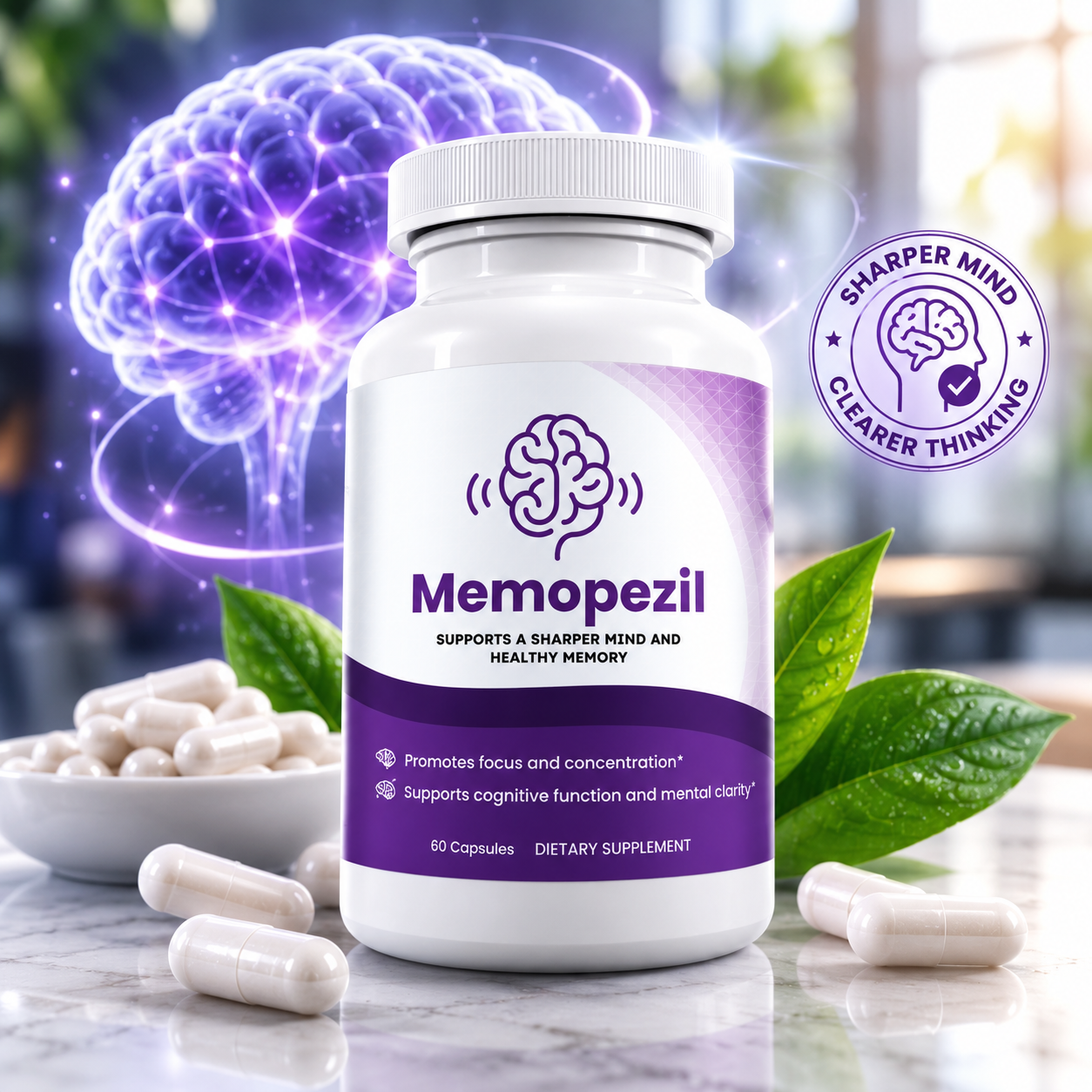
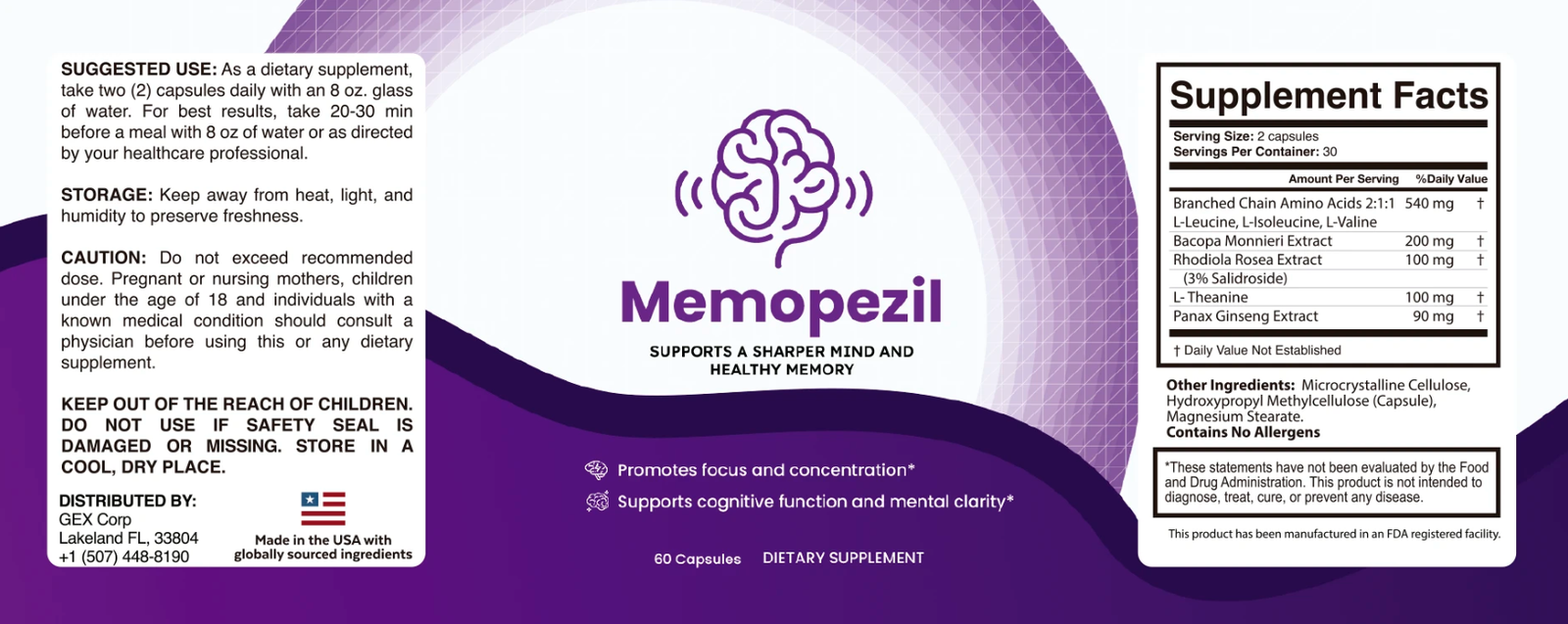
I wasn't going to wait for it to become visible. I researched the botanical compounds with the most documented mechanisms for cognitive support — not the ones marketed aggressively, but the ones with genuine research behind their mechanisms. Bacopa Monnieri for its established role in memory consolidation and neuroprotection. Panax Ginseng for cerebral circulation and cognitive energy. Rhodiola Rosea for cortisol regulation and mental fatigue resistance. L-Theanine for the calm focus and alpha wave activity that sustained professional concentration requires. And Pure Honey as the natural delivery matrix that improves absorption of all four botanical actives simultaneously. When I found MemoPezil — combining all five in a clean, twice-daily capsule — I started the 6-bottle protocol and committed to a genuine 180-day evaluation.
What followed was the most meaningful cognitive restoration I have experienced since my early fifties — the reversal of a pattern that, left unaddressed, I had watched progress in a family member I loved. My practice partner — who has worked alongside me for nine years and has a physician's eye for cognitive performance — told me at the end of month three that I seemed "sharper than usual lately." She had no idea I had changed anything. That observation, from a colleague with the most calibrated professional baseline of my performance of anyone in my life, was the confirmation I needed.